
Within 4InnoPipe2, the entrepreneurial journey is not limited to students – it also involves educators who continuously rethink how learning can connect with emerging technologies, industry practice and entrepreneurship.
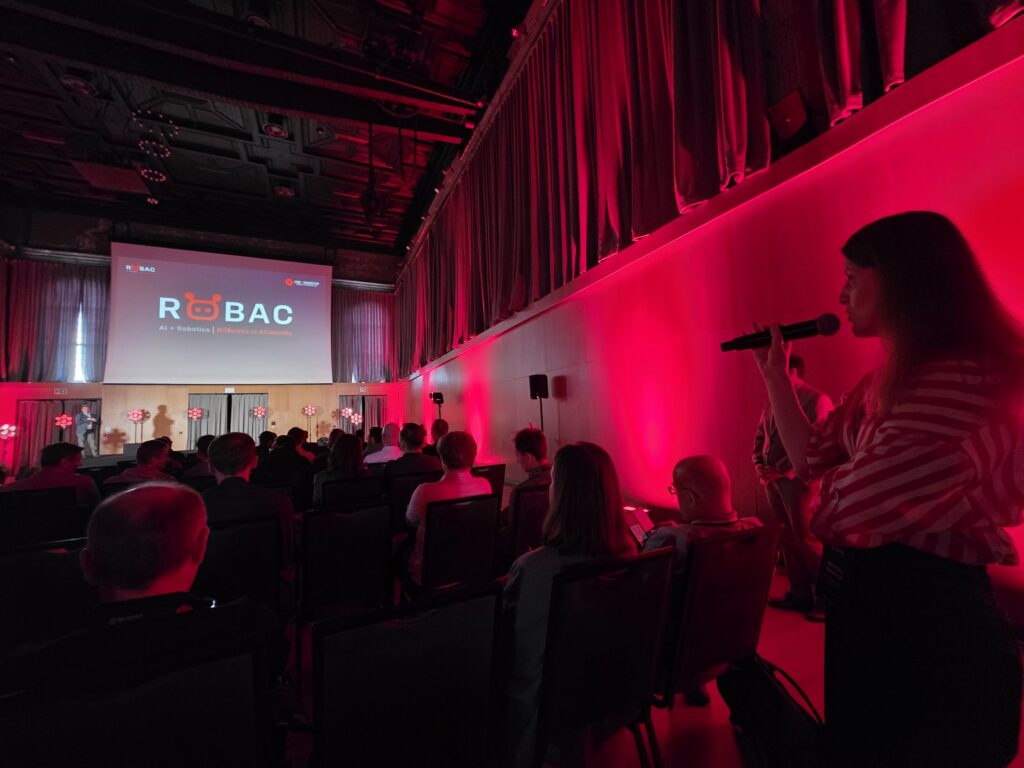
Agnieszka Kowalczyk, who teaches User Experience and brings many years of experience in designing Customer Experience solutions, is currently refreshing her courses to create more space for collaboration, experimentation and student entrepreneurship. As part of this process, we attended the ROBAC AI + Robotics in Academia conference, organised by Edu4Industry, to explore a practical question: how can we teach Physical AI and robotics in ways that go beyond technology hype and enable students to learn through doing?
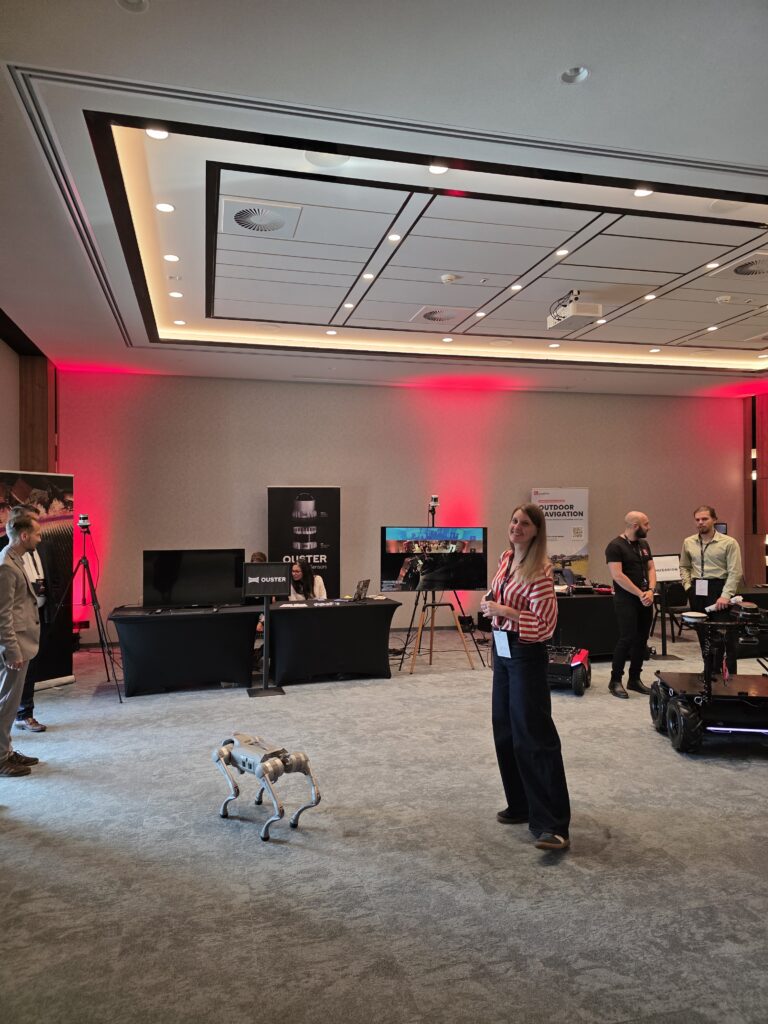
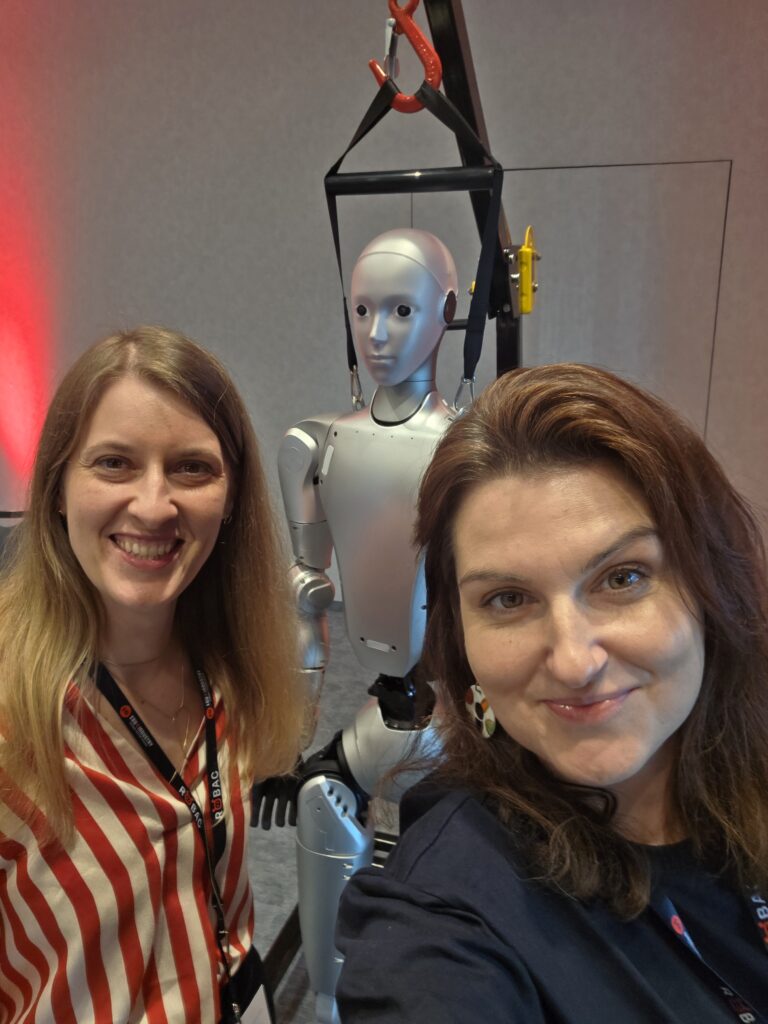
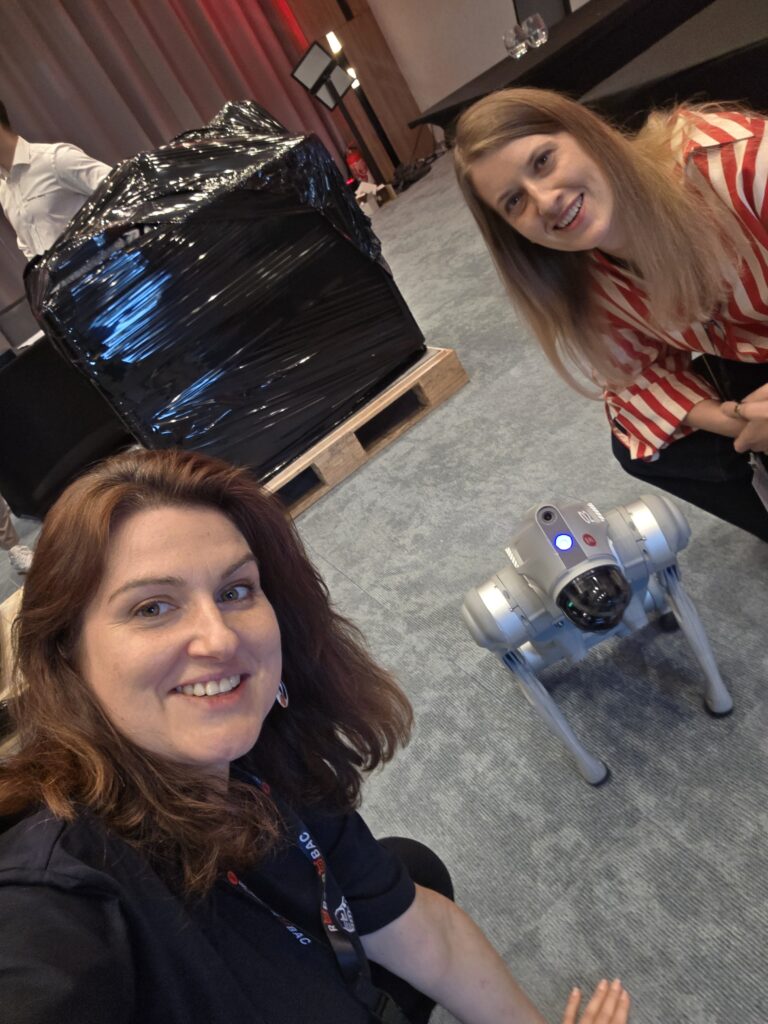
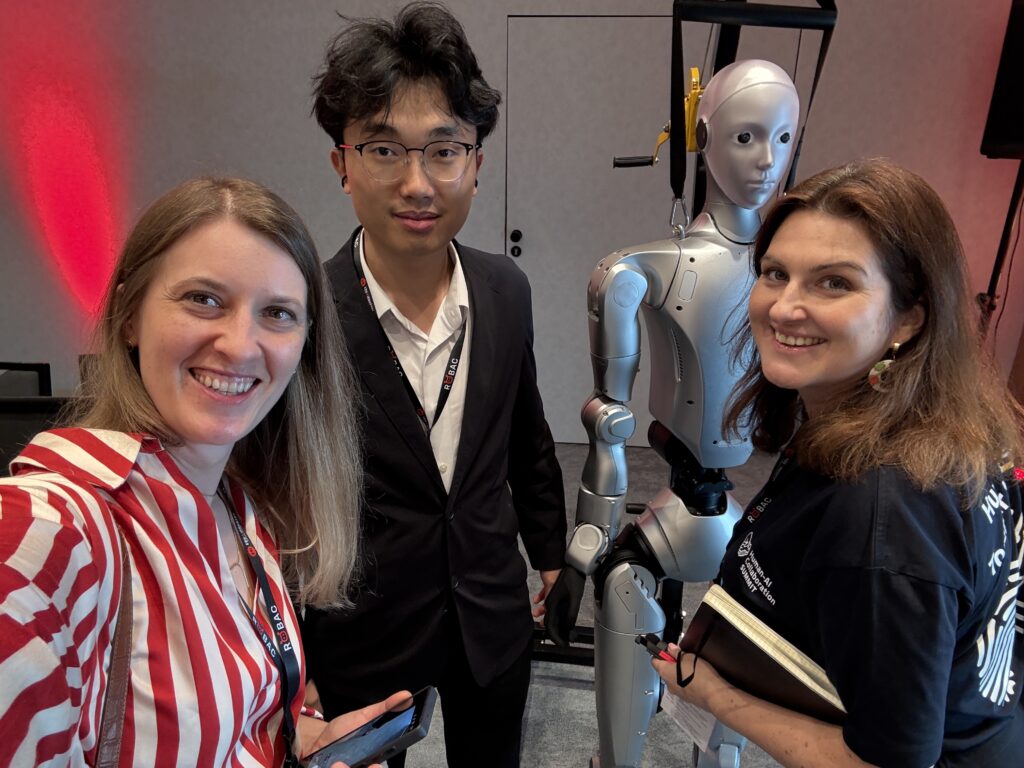
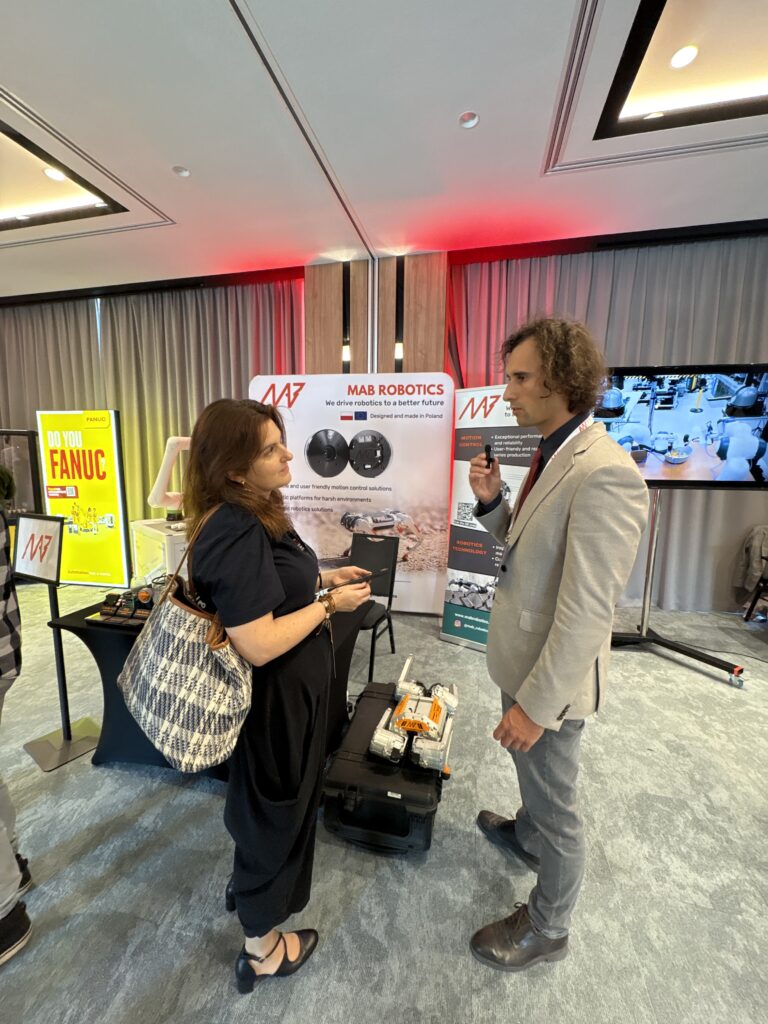
The conference brought together researchers, educators and industry practitioners to discuss emerging developments in robotics, automation and their implications for research and education. Beyond the presentations, direct interaction with robots in the show & expo area and conversations with practitioners provided valuable insights into how robotics can be integrated into educational practice.
Key takeaways
Dynamic robotics — beyond the hype
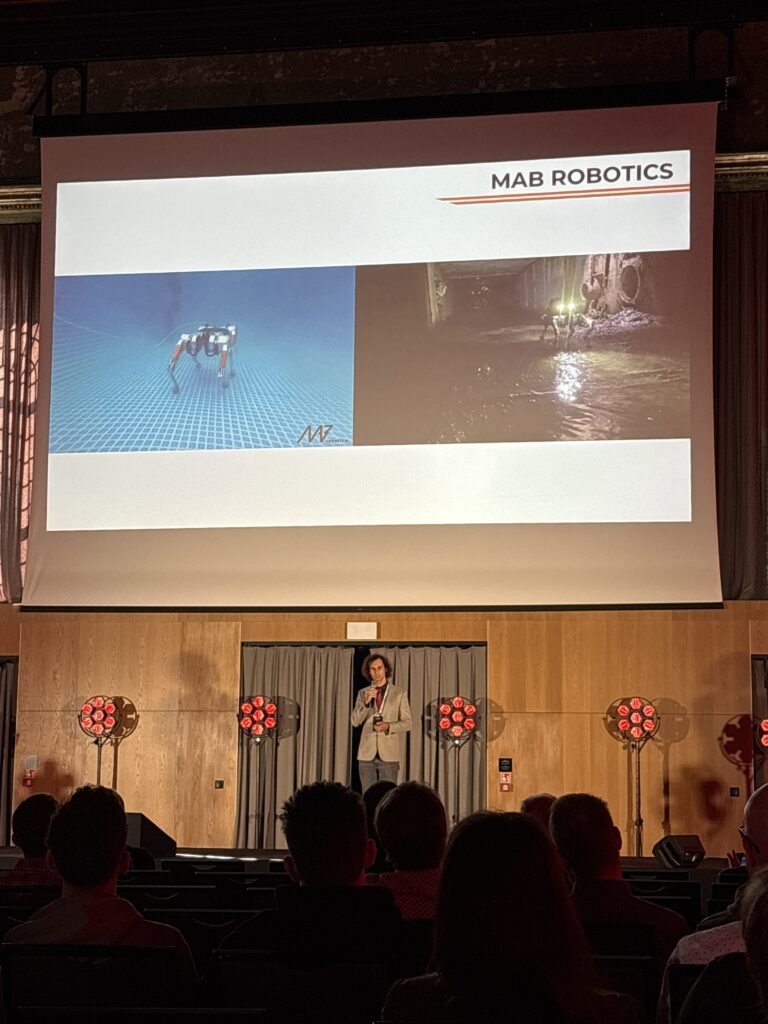
Quadrupedal and humanoid robots attract considerable attention, but their practical value depends strongly on the context. Legged robots can provide advantages in unpredictable environments where wheeled platforms struggle, while industrial applications often prioritise reliability, maintainability and functional performance over sophisticated or human-like forms. We also observed that robotics businesses increasingly build their models around high-performance components and modular solutions supplied to specialised integrators, rather than selling complete robots.
Learning through practice and prototyping
Hands-on interaction can significantly accelerate students’ understanding of what robots can and cannot do. Programming and operating cobots gives student teams practical experience, builds confidence and exposes them to the realities of implementation. At the same time, low-cost open-source microrobots — including 3D-printed platforms costing around $100–200 — offer an accessible way to collect data, test algorithms and prototype solutions before moving to more expensive industrial equipment.
Building stronger academia–industry connections
The conference also demonstrated the value of bringing educators and practitioners into the same space. Conversations with industry representatives opened opportunities for future collaboration around business–industry projects, internships and educational initiatives aligned with emerging market needs.
For us, organised by https://edu4industry.com/en/ROBAC was therefore not simply a robotics conference. It became an opportunity to rethink teaching practices, identify ways of introducing Physical AI into education, and explore how hands-on experimentation can strengthen collaboration and entrepreneurship in the classroom.